
Ontario Property & Renovation Guide · Updated for 2026
Finding out that a renovation may have been completed without a required building permit can create uncertainty for homeowners and buyers. It does not automatically tell you whether the work is unsafe or what the municipality will require, but it is a reason to investigate before relying on the renovation or undertaking additional work.
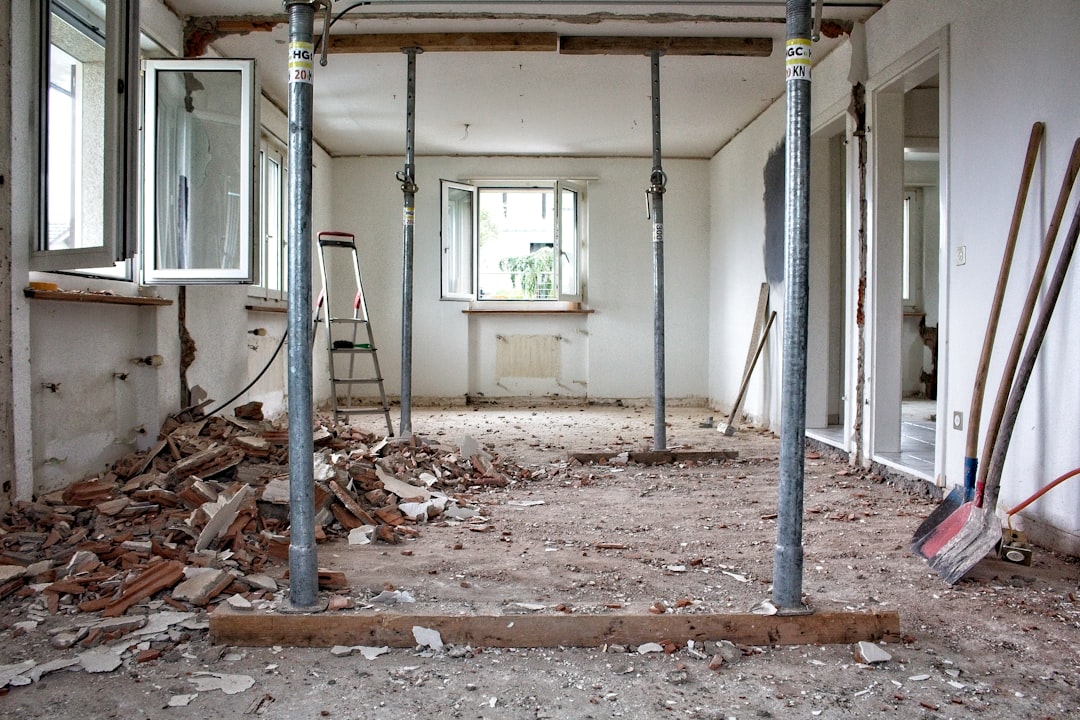
Short answer: if work required a building permit but was completed without one, contact the local building department to determine the property’s permit history and the process for addressing the work. The municipality may need information, drawings, inspections, corrective work or other steps before the issue can be resolved.
Why Building Permits Matter
Ontario’s building-permit system allows municipal officials to review construction for compliance with the Building Code, zoning and other applicable law. The Building Code Act generally prohibits constructing or demolishing a building unless the required permit has been issued.
How Unpermitted Work Is Discovered
- a buyer or homeowner searches municipal permit records
- a home inspector identifies evidence of alterations
- a later permit application exposes earlier construction
- a neighbour or other party raises a concern with the municipality
- electrical, insurance or appraisal questions reveal missing documentation
What Can Happen Next?
The outcome is property-specific. A building department may need to determine what was constructed, whether a permit should have been obtained and whether the work complies with current or applicable requirements. Depending on the circumstances, this can involve drawings, professional review, opening concealed construction for inspection, corrective work, additional approvals or fees.
Do not assume that simply applying for a permit after the fact automatically legalizes existing construction. Ask the municipality what documentation and inspections it requires for that specific property.
Can You Get a Permit After the Work Is Done?
There is no single Ontario-wide outcome for previously completed work. A municipality may have a process for addressing construction completed without the required permit, but the steps depend on the property and the work. The building department may require drawings, professional review, inspections, portions of concealed construction to be exposed, corrective work, additional approvals or applicable fees before it can determine compliance.
The safest approach is to contact the local building department with the property address and as much information as possible about what was changed and when. Do not represent unpermitted work as approved merely because it has existed for many years.
What About Electrical Work?
Electrical compliance is separate from a municipal building permit. ESA states that almost all electrical work must be reported through a notification of work and that reviewed work can receive a Certificate of Acceptance. If electrical alterations appear undocumented, contact ESA or an appropriately licensed electrical contractor about the correct process.
Buying a House With Possible Unpermitted Renovations
Buyers should distinguish between visible quality and documented compliance. A finished basement, addition, removed wall or altered layout can look professionally completed while still raising permit-history questions.
- Ask what renovations were completed and when.
- Request permits, approved drawings and final inspection records where available.
- Check municipal records rather than relying only on verbal assurances.
- Use appropriate professional inspections and advice for structural, electrical, plumbing or other concerns.
- Consider how unresolved work could affect future renovations, insurance, financing or resale.
For basement-specific research, see Basement Renovation Permits in Ontario and Buying a House with a Basement Apartment.
If You Already Own the Property
Start with records, not demolition. Identify the known scope of the renovation and ask the municipality what records it holds. If further investigation is required, the building department or appropriate qualified professionals can help determine what documentation or physical review is necessary.
A Practical Due-Diligence Checklist
- Search the municipal permit history.
- Compare approved plans with the current layout where records exist.
- Check whether permits were finalized or remain open.
- Investigate electrical work separately through ESA where relevant.
- Do not conceal questionable work before required inspections.
- Keep all new approvals and inspection documents with the property records.
Explore more information in Buying, Renovations, and Zoning & Permits.
Frequently Asked Questions
Can an old renovation still be an issue if a previous owner did the work?
Potentially. The practical question is the status of the property and work now. Municipal requirements and available records determine the appropriate next steps.
Can a municipality inspect work after it is finished?
A building department may require inspection or other evidence when addressing work that should have been permitted. Concealed construction can make verification more complicated.
Does a home inspection prove renovations were permitted?
No. A property inspection and a municipal permit-record search answer different questions. Permit status should be verified through the applicable authority.
Official Resources
- Ontario Building Code Act, 1992
- Ontario Building Code — O. Reg. 163/24
- Electrical Safety Authority — Notifications and Inspections
Ontario Home Intel is an independent educational resource and is not a real estate agency or brokerage. Information is general educational information only and is not real estate, legal, engineering, building-code, electrical, inspection, insurance or other professional advice. Verify municipal and property-specific requirements and obtain appropriate professional advice before acting.