ONTARIO HOME BUYING
Buying a Home in Ontario
Understand the costs, financing, due diligence, offer process and closing steps involved in buying residential property in Ontario.
Buying a home involves more than the purchase price. Buyers may need to plan for a down payment, land transfer tax, legal costs, inspections, financing requirements, insurance, adjustments and other property-specific expenses.
The exact process varies by property, municipality, lender and transaction. The information below is intended to help Ontario buyers understand the major stages and questions to investigate.
THE PROCESS
A Typical Ontario Home-Buying Process
1. Build Your Budget
Estimate the down payment, mortgage payment, closing costs, property taxes and ongoing ownership expenses.
2. Arrange Financing
Speak with a lender or mortgage professional and understand how much you may qualify to borrow before making offers.
3. Search & Investigate
Compare properties, neighborhoods, municipal rules, taxes, utilities, condition and potential future costs.
4. Make an Offer
Determine the price, deposit, closing date, conditions and other terms appropriate for the property and your circumstances.
5. Complete Due Diligence
Where applicable, complete financing, inspection, insurance, document review and other conditions before the deadlines in the agreement.
6. Prepare for Closing
Work with your lawyer, lender and other professionals to complete the transaction and prepare for possession.
How Much Down Payment Do You Need?
For insured mortgages in Canada, minimum down-payment requirements are generally based on the purchase price.
- $500,000 or less: generally at least 5%.
- More than $500,000 but less than $1.5 million: generally 5% of the first $500,000 plus 10% of the portion above $500,000.
- $1.5 million or more: mortgage default insurance is generally unavailable under the standard insured-purchase framework, so conventional financing requirements apply.
A lender may require a larger down payment based on the property, borrower, financing structure or lending criteria.
First-Time Home Buyer Programs
Eligible Ontario buyers may have access to programs designed to help with the cost of purchasing a first home.
Ontario Land Transfer Tax Refund
Eligible first-time buyers may qualify for an Ontario land transfer tax refund of up to $4,000.
First Home Savings Account
The FHSA provides eligible participants with annual contribution room, including up to $8,000 of first-year participation room, subject to federal program rules.
Home Buyers’ Plan
Eligible buyers may be able to withdraw up to $60,000 from an RRSP under the federal Home Buyers’ Plan, subject to program requirements.
Don’t Forget the Closing Costs
The purchase price and down payment are only part of the money a buyer may need. Depending on the transaction, closing and ownership costs can include:
- Ontario land transfer tax
- Toronto municipal land transfer tax, where applicable
- Legal fees and disbursements
- Title insurance
- Home inspection costs
- Appraisal or lender-related costs
- Property-tax and utility adjustments
- Insurance
- Moving expenses
- Immediate repairs or renovations
What Goes Into an Offer?
An Agreement of Purchase and Sale can include much more than the price. The terms should reflect the specific property and the buyer’s circumstances.
Price & Deposit
The offered purchase price and the deposit required under the agreement.
Closing Date
The date on which the transaction is intended to complete and ownership transfers.
Conditions
Depending on the transaction, an offer may include conditions relating to financing, inspection, insurance, document review, status certificate review or other matters.
Conditions should not be added or removed mechanically. A buyer should understand the legal and practical consequences of the terms they agree to.
Financing Is More Than Pre-Approval
A mortgage pre-approval can be useful for planning, but it is not necessarily final approval for a specific property.
Before funding a mortgage, a lender may review the purchase agreement, property, appraisal, income documentation, credit, down payment, debts and other information.
Buyers relying on financing should understand the requirements and deadlines that apply to their transaction.
Home Inspections
A home inspection can provide information about the visible condition of a property and identify issues that may deserve further investigation.
An inspection is not a guarantee that every problem will be found. Depending on the property, additional specialists may be appropriate for matters such as septic systems, wells, foundations, electrical systems, environmental concerns, pools, fireplaces or structural issues.
Research the Property, Not Just the House
The building itself is only part of the purchase. Buyers should also consider the property and the rules that affect how it can be used.
- Property taxes and assessment
- Zoning
- Building permits
- Municipal services
- Water and sewer or private servicing
- Conservation authority restrictions
- Heritage status
- Flood or natural-hazard considerations
- Additional residential units
- Rental or short-term-rental rules
- Future renovation potential
If a property contains an existing apartment, second kitchen or separate living area, do not assume that the space is automatically a legal residential unit.
Buying a Condominium
Condominium ownership involves additional documents, expenses and rules that differ from buying a freehold house.
- Monthly condominium fees
- Reserve fund
- Condominium corporation financial information
- Rules and bylaws
- Insurance responsibilities
- Parking and locker ownership or use
- Special assessments
- Status certificate review
Legal review of the status certificate and condominium documents is commonly an important part of condominium due diligence.
Buying Rural Property
Rural and semi-rural properties can require additional investigation beyond a typical serviced urban property.
- Well water and water quality
- Septic systems
- Road access and maintenance
- Conservation authority regulation
- Floodplains and natural hazards
- Agricultural zoning
- Minimum distance separation requirements
- Niagara Escarpment or Greenbelt policies where applicable
- Propane, oil or other heating systems
- Outbuildings and permit history
Preparing for Closing
Once the agreement is firm, buyers typically have several tasks to complete before possession.
- Finalize mortgage instructions with the lender
- Provide required information to the lawyer
- Arrange property insurance
- Complete any agreed pre-closing visits
- Arrange utilities and services
- Prepare funds required for closing
- Review closing documents with the lawyer
- Plan the move and possession
Your lawyer coordinates the legal transfer of ownership and registration of the transaction.
Planning to Buy in Ontario?
If you are preparing to purchase a property and want help navigating listings, offers, due diligence or the buying process, you can contact Bryan Driscoll, REALTOR®.
Registered real estate salesperson with Coldwell Banker Momentum Realty Ltd.
LATEST BUYING GUIDES
Latest Ontario Home Buying Guides
Recent guides covering buying costs, financing, due diligence, property research and the Ontario home-buying process.
-
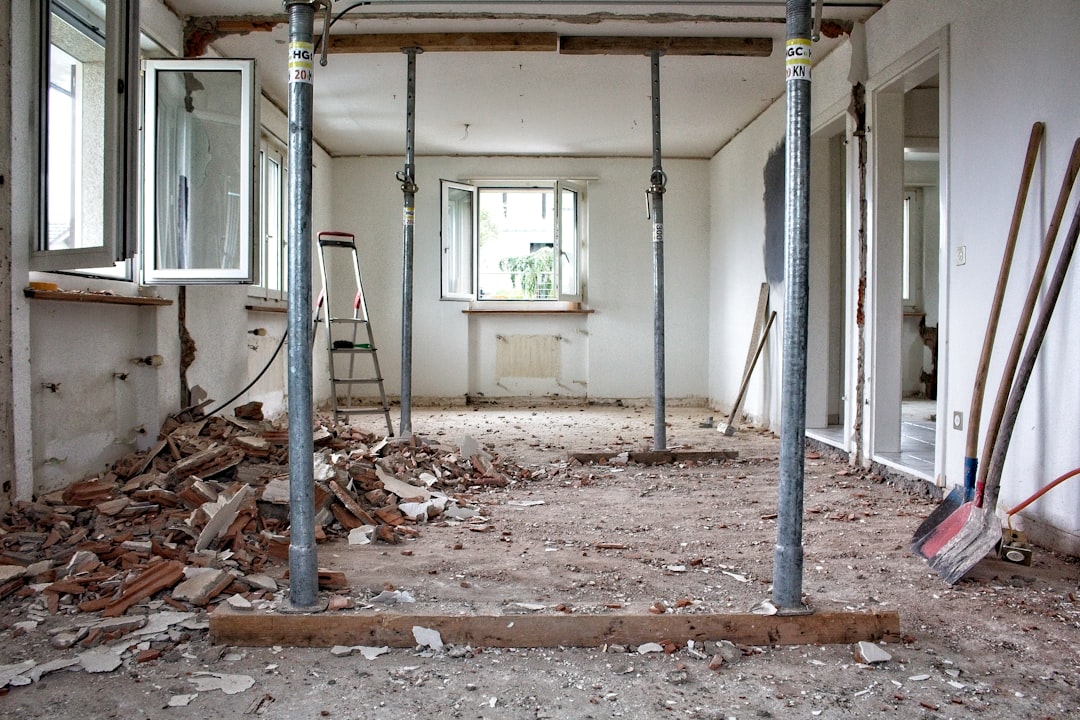
What Happens if Renovations Were Done Without a Permit in Ontario?
Learn what can happen when renovations were completed without a required permit in Ontario, including inspections, corrective work, records and buyer due…
-

Ontario Land Transfer Tax: 2026 Guide
Ontario Buying Guide Land transfer tax can be one of the largest closing costs when purchasing real estate in Ontario. The amount…
-

Buying a House with a Basement Apartment
ONTARIO BUYER GUIDE Buying a House With a Basement Apartment in Ontario What buyers should investigate about zoning, building permits, legal status,…
FAQ
Ontario Home Buying Questions
How much money do I need to buy a home in Ontario?
The amount depends on the purchase price, down payment, financing and transaction. Buyers should plan for the down payment plus closing costs such as land transfer tax, legal expenses, adjustments, insurance and other applicable costs.
Is a mortgage pre-approval a guarantee?
No. A pre-approval is generally a preliminary financing assessment. Final approval can depend on the specific property, appraisal, borrower documentation and lender requirements.
Do all Ontario buyers pay land transfer tax?
Ontario generally charges land transfer tax when qualifying property is transferred. Eligible first-time home buyers may qualify for a provincial refund. Toronto also has a separate municipal land transfer tax for applicable purchases within the city.
Should I investigate an existing basement apartment?
Yes. The existence of a separate kitchen, entrance or occupied basement does not by itself establish that the unit is legally permitted. Buyers should investigate zoning, permits, inspections and other applicable requirements if the unit matters to the purchase.
When does real estate representation begin?
Using Ontario Home Intel or making an inquiry does not by itself create a representation relationship. Representation is established separately through the appropriate disclosures and written agreements. Ontario consumers can review the official RECO Information Guide for more information.
General information only: Ontario Home Intel provides general educational information and is not a substitute for real estate, legal, financial, tax, lending, appraisal, inspection, engineering, planning, building-code or other professional advice. Programs, lending criteria, tax rules, municipal requirements and property-specific circumstances can change. Verify information with the appropriate authority or qualified professional before making a decision. Using this website or contacting Ontario Home Intel does not create a real estate representation relationship.