
Aurora Property Guide · Updated for 2026
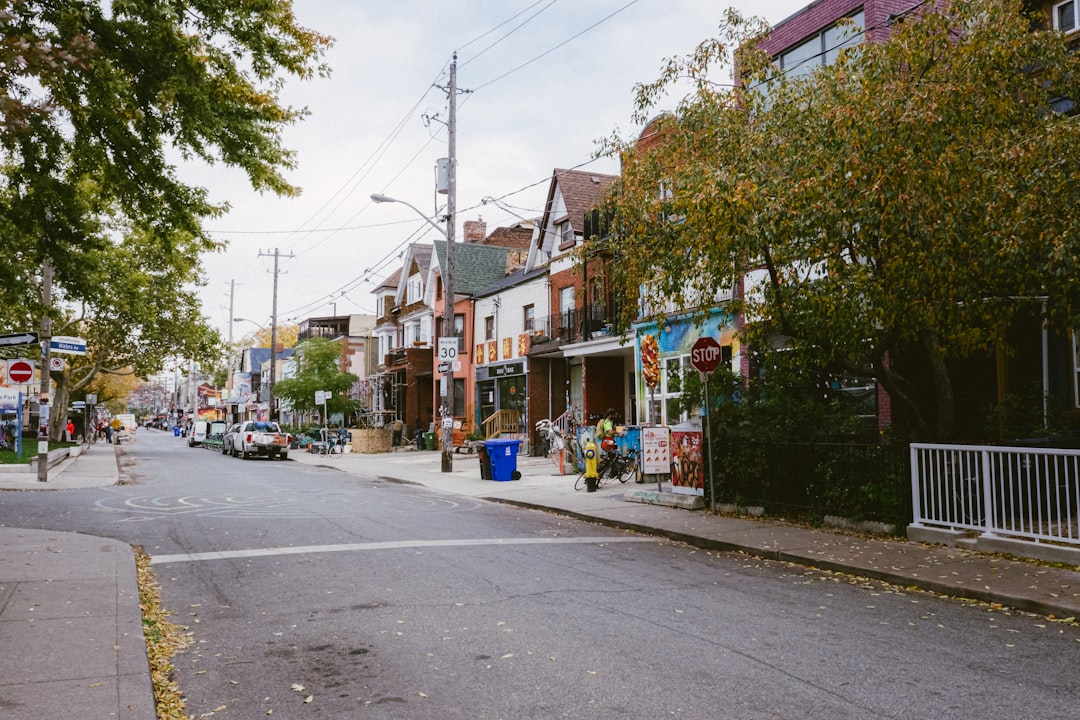
Property ownership in Aurora involves Town of Aurora rules, York Region requirements and Ontario law. Buyers and homeowners should verify zoning, permits, taxes and additional-unit status for the specific property before relying on renovation or income potential.
Property Taxes in Aurora
Aurora issues property-tax bills that fund Town, York Region and education services. The Town publishes current billing information and due dates; for the 2026 final bill, instalment dates are July 21 and September 22, 2026. Always use the current bill for an actual account balance or payment deadline.
Use the Ontario Home Intel Property Tax Calculator for planning and verify official billing information through the Town of Aurora property-tax page.
Building Permits and Renovations
Aurora’s Building Division reviews permit applications and conducts inspections for compliance with the Ontario Building Code and related municipal requirements. Permit applications, fees, status checks and inspection requests can be handled through the Town’s online portal. Even work that does not require a building permit can still be subject to zoning or other municipal rules.
Examples the Town identifies as potentially permit-exempt include certain low decks and detached accessory buildings of 15 m² or less without plumbing, but zoning restrictions can still apply. Review Aurora’s Applications, Permits and Inspections information before construction. See our Renovations and Zoning & Permits resources for Ontario-wide guidance.
Secondary and Additional Dwelling Units in Aurora
Aurora has municipal zoning and registration rules for additional residential units. The Town’s current secondary-dwelling-unit guidance addresses second suites in detached, semi-detached and certain link-house dwellings, and the Town adopted Registration By-law 6660-24 for additional residential units. Existing units can be subject to different compliance paths depending on when they were created.
A permit or change-of-use approval, building-code compliance, electrical requirements and municipal registration can all be relevant. Do not treat a separate entrance, kitchen or rental history as proof that a unit is compliant.
Review the Town’s Secondary Dwelling Units guidance and our Ontario Additional Rental Units guide.
Aurora Property Due-Diligence Checklist
- Confirm zoning and permitted uses for the specific property.
- Review permit history for additions, finished basements and structural changes.
- Check registration and permit status for an existing secondary or additional unit.
- Verify the current property-tax account and assessment.
- Check parking, setbacks, lot coverage and other zoning standards before planning an addition or accessory structure.
- Confirm whether plumbing, electrical or other separate approvals are required.
Useful Ontario Home Intel Resources
- Ontario Home Buying Guides
- Ontario Property Taxes
- Basement Apartments in Ontario
- Renovations Without a Permit
- Ontario Municipal Property Guides
Aurora Property FAQ
Do secondary dwelling units need to be registered in Aurora?
Aurora has a municipal registration framework for additional residential units. The applicable process depends on the unit and its history, so confirm the current requirements with Building Services.
Does a small shed always need a building permit in Aurora?
Aurora identifies some detached accessory buildings of 15 m² or less without plumbing as not requiring a building permit, but zoning rules governing location, height and other standards can still apply.
Can I apply for Aurora building permits online?
Yes. Aurora’s CityView portal supports building-permit applications, status checks, fee payments and inspection requests.
Ontario Home Intel is an independent educational resource and is not a real estate agency or brokerage. Information is general only and is not legal, planning, tax, engineering or other professional advice. Verify current property-specific requirements with the Town of Aurora and other applicable authorities.