
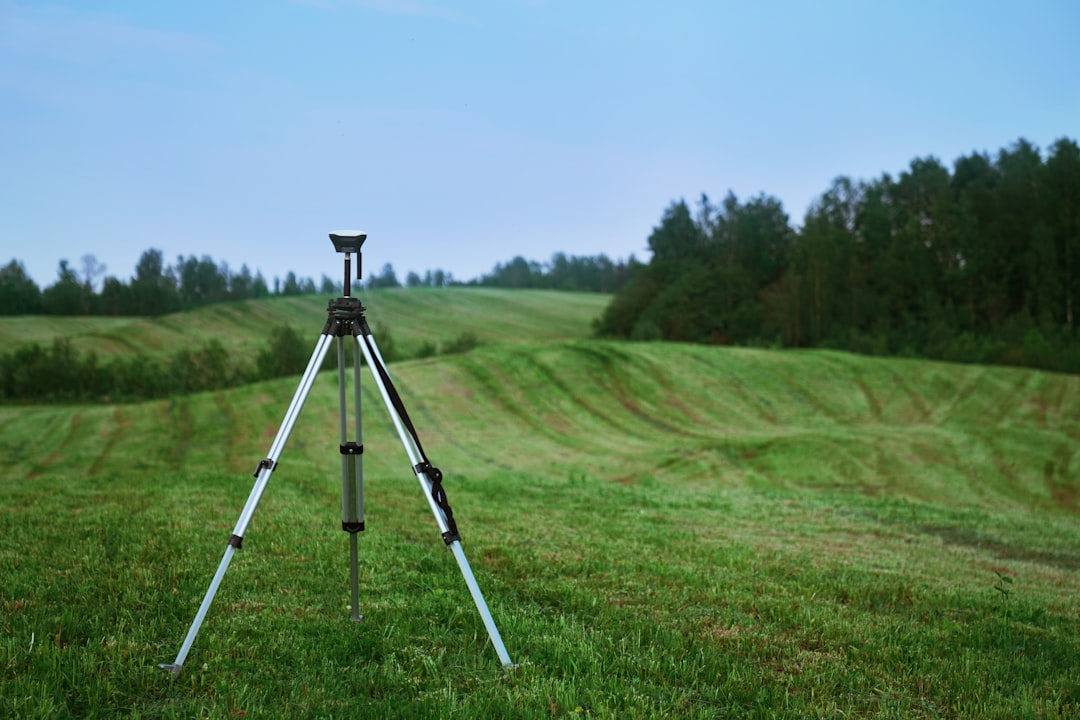
Where does the property actually end? Is the neighbour’s fence on the boundary? Does the driveway cross another parcel? A property survey can help answer physical-boundary questions that are difficult or impossible to resolve from a showing.
Ontario buyers should understand what a survey is, what information it can provide and why title insurance is not necessarily a reason to ignore boundary concerns.
What is a property survey?
A survey is professional evidence concerning property boundaries and, depending on the type of survey, can depict buildings and other physical features in relation to those boundaries.
Surveying is a regulated profession in Ontario. When boundary certainty matters, buyers should rely on an Ontario Land Surveyor rather than informal measurements or online mapping.
Why can a survey matter when buying?
Property boundaries affect what you own and can matter when evaluating fences, driveways, sheds, garages, additions, pools and other improvements.
A survey can also help identify situations requiring further legal or surveying advice.
Does the seller have to provide a survey?
Whether a survey is available or must be provided depends on the transaction and agreement. Buyers can ask whether the seller has an existing survey, but should not assume one exists or that an old survey reflects every current improvement.
Can an old survey still be useful?
Yes, potentially. An older survey may still provide useful historical information about boundaries and structures. But if buildings, fences or other features have changed since it was prepared, it may not show current conditions.
What about fences?
A fence is not automatically proof of the legal boundary. Fences can be constructed inside, outside or across property lines. If the precise boundary is important, obtain professional advice rather than treating the fence as definitive.
What about shared or unusual driveways?
Driveway access can involve property boundaries, easements or rights-of-way. Your real-estate lawyer can review registered title interests, while an Ontario Land Surveyor can address boundary-location questions.
Does title insurance replace a survey?
Title-insurance policies may cover certain survey or encroachment-related losses, depending on their terms. That is different from physically establishing a boundary. If you need to know where a property line is for a fence, addition or dispute, discuss the appropriate survey work with an Ontario Land Surveyor.
When should buyers investigate further?
- A garage, shed or addition appears close to a lot line.
- A driveway is shared or crosses another property.
- Fences do not align with expected boundaries.
- The lot shape is unusual.
- You plan to build near a property line.
- A neighbour or seller mentions a boundary disagreement.
- Title shows an easement or right-of-way you do not understand.
Survey vs. title search
These are related but different tools. Your lawyer’s title work addresses legal ownership and registered interests. Surveying addresses the physical location of boundaries and features on the ground. Depending on the issue, you may need one or both professions.
Bottom line
Not every Ontario home purchase requires a brand-new survey, but buyers should not ignore boundary uncertainty. Existing surveys, title information, title insurance and professional surveying each serve different purposes. If the location of a boundary materially affects your decision, investigate it before relying on assumptions.
Documents to gather before ordering a survey
- Any survey or surveyor’s real property report provided by the seller.
- The property’s legal description and any relevant title documents from your lawyer.
- Plans for a proposed fence, addition, pool or other improvement.
- Information about additions or boundary concerns that arose after an older survey.
Explain the decision you need to make when contacting a surveyor. Locating a boundary, documenting buildings and preparing a plan for a project may require different work. Ask for the scope, timing and fee in writing.
Can I use an online property map instead?
An online map can help you orient yourself, but do not use a screen measurement as proof of a legal boundary. Where the location matters, consult an appropriately licensed Ontario Land Surveyor. AOLS explains Ontario’s licensing requirements for legal-boundary surveying.
Related Ontario Home Intel resources
Keep your home purchase organized
Use our free checklist to track documents, due diligence and closing preparations.
Get the free home buyer checklist
Need local help with your search? Connect with a local Ontario REALTOR®.
Sources and further reading
- AOLS: Legal-boundary surveying and public protection
- AOLS: Find a survey company
- CMHC: Working with a land surveyor (page 18)
Sources checked September 11, 2026. Featured photo by Valerie V on Unsplash. Photo is illustrative.
This article provides general Ontario real-estate information and is not legal or land-surveying advice.