
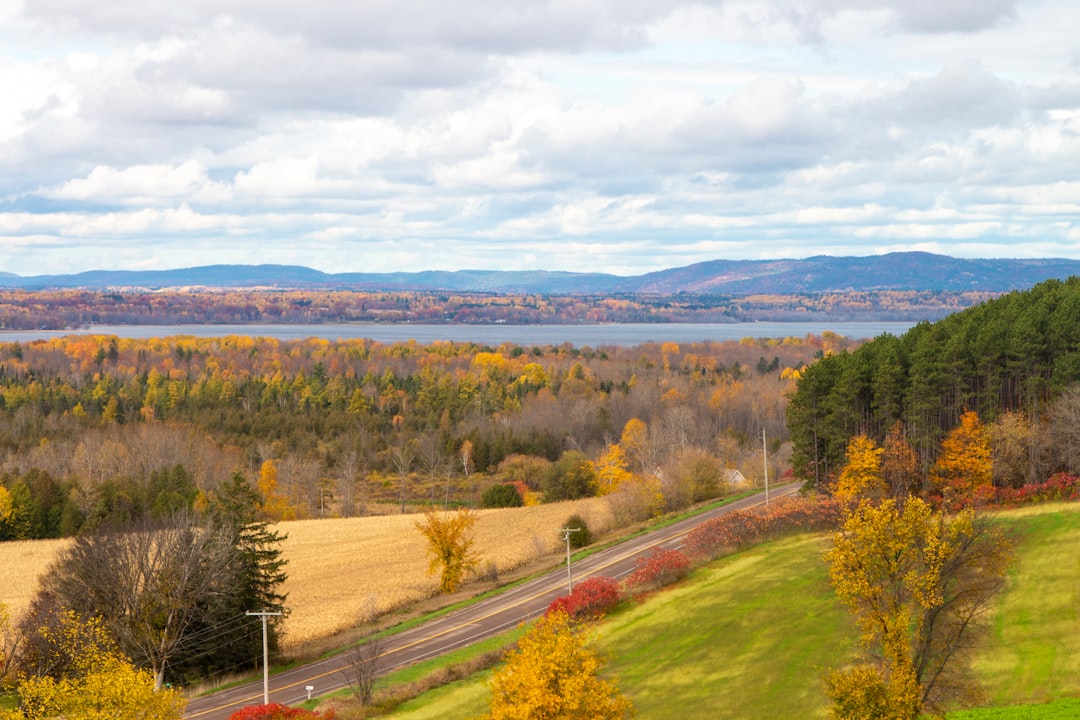
Rural Ontario can offer larger lots, privacy and a different lifestyle from urban ownership. It can also shift responsibilities that city buyers are accustomed to leaving with the municipality.
Before buying, investigate how the property actually works—not just how it looks.
1. Private well
Determine the water source, locate the well, request available records and consider appropriate water-quality and water-supply testing. See our Ontario well-water buying guide for the detailed checklist.
2. Septic system
Identify the sewage system, approximate age, location and maintenance history. Consider an appropriate septic inspection and determine whether future building plans could interfere with the system. Use our Ontario septic-system buying guide for a deeper due-diligence review.
3. Road access
Confirm whether the property fronts a publicly maintained road, private road or another form of access. Understand maintenance obligations and whether year-round access is available.
4. Survey and boundaries
Large lots can make boundaries difficult to judge visually. Existing fences, driveways and structures do not necessarily establish the legal property line. Review available surveys and title information with appropriate professionals.
5. Easements and rights-of-way
Rural land may be affected by utility easements, shared driveways, access rights or other registered interests. Your lawyer can review title and explain relevant registrations.
6. Zoning and permitted uses
If you want animals, a home business, an accessory unit, additional buildings or another specific use, investigate municipal zoning before buying. A large lot does not automatically permit every rural use.
7. Conservation and environmental constraints
Watercourses, wetlands, flood hazards and regulated areas can affect development. If future construction is important, investigate applicable municipal and conservation-authority requirements.
8. Heating and fuel
Rural homes may use propane, oil, wood, electric systems or combinations of equipment. Determine what is owned or rented, approximate operating costs, fuel-storage arrangements and equipment condition.
9. Internet and cellular service
Do not assume advertised regional coverage means the exact property receives the service level you need. This is particularly important for remote work. Verify available providers and practical speeds at the address.
10. Drainage and seasonal conditions
A dry property during a summer showing may behave differently during spring thaw or heavy rain. Ask about drainage, sump systems, watercourses, low areas and any history of flooding or water intrusion.
11. Outbuildings and permits
Barns, garages, sheds and additions should be investigated just like structures in town. Determine whether available records support significant structures and whether your intended use is permitted.
12. Insurance and financing
Property type, heating, access, outbuildings, water sources and other characteristics can affect insurance or lender requirements. Confirm insurability and financing early rather than discovering an issue immediately before closing.
OntarioHomeIntel rural-property checklist
- Well and water testing
- Septic records and inspection
- Road ownership and maintenance
- Survey and boundaries
- Easements and rights-of-way
- Zoning and intended uses
- Conservation/environmental constraints
- Heating and fuel systems
- Internet/cellular availability
- Drainage and seasonal conditions
- Outbuilding permits
- Insurance and financing
Bottom line
Rural properties reward careful due diligence. Many potential issues are manageable when discovered before purchase. The costly problems tend to arise when buyers assume a rural property functions like an urban one.
Related OntarioHomeIntel resources
- Ontario home-buying guides
- Ontario municipality guides
- Zoning and permit information
- Property tax calculator
Take the Checklist With You
Get the free Ontario Rural Property Buying Checklist covering access, wells, septic, zoning, land, buildings, services and insurance considerations.
This article provides general Ontario real-estate information and is not legal, environmental, engineering, insurance or financing advice. Requirements vary by municipality and property.