
Ontario is changing important consumer documents and protections for certain new-home purchase agreements beginning January 1, 2027. Buyers considering a pre-construction or newly built home should understand which rules apply based on when they sign their agreement.
The changes are particularly relevant because new-home transactions use specialized purchase agreements and addenda that differ from typical resale transactions.
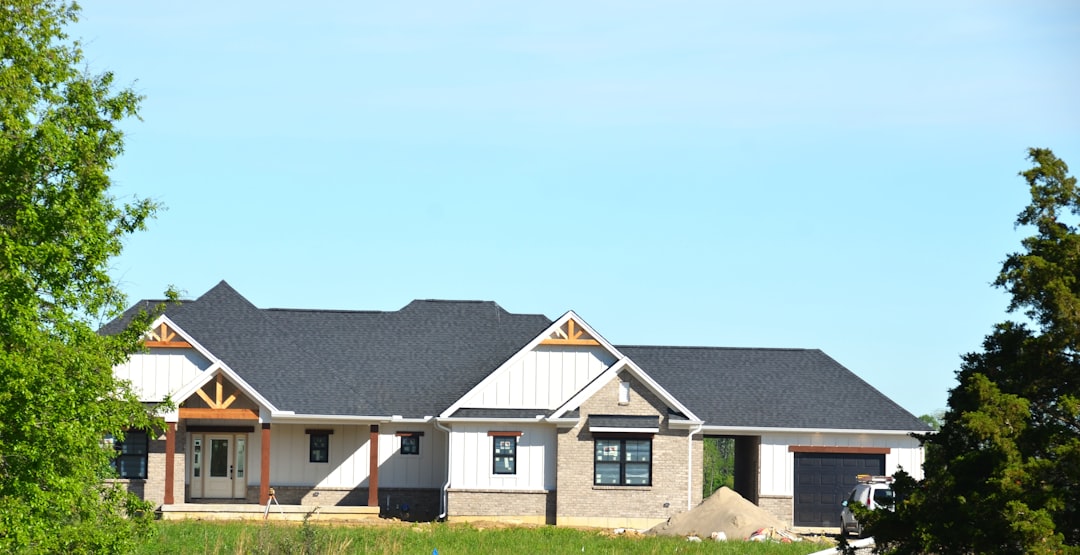
New Ontario rules take effect January 1, 2027
Ontario Regulation 289/26 establishes new prescribed addenda and buyer information sheets for specified new-home purchase agreements entered into on or after January 1, 2027. The regulation is not yet in force as of this article’s publication date and is scheduled to take effect January 1, 2027.
Different prescribed documents apply depending on whether the property is a new freehold home, new condominium home, vacant-land condominium home or a freehold home on a parcel of tied land connected to a common-elements condominium corporation. There is no single universal addendum for every new-home purchase.
Why the agreement date matters
Purchase agreements entered into before January 1, 2027 can be governed by the existing prescribed forms, while agreements entered into on or after that date fall under the new framework where applicable.
Buyers should therefore pay attention to the date of the agreement and the exact type of new home being purchased.
New buyer information sheets
For applicable agreements signed on or after January 1, 2027, the regulation requires specified information-for-buyers documents to form part of the purchase agreement alongside the applicable addendum.
These documents are intended to give purchasers standardized information relevant to their type of new-home transaction.
Closing and occupancy dates
New-home agreements can involve tentative and firm closing or occupancy dates. Ontario’s delayed-closing and delayed-occupancy warranty regulation has also been amended for purchase agreements entered into on or after January 1, 2027.
Buyers should read the applicable addendum carefully rather than treating an estimated move-in date like the closing date in a typical resale transaction.
A new 10-day cooling-off period for qualifying freehold purchases
Ontario Regulation 290/26 supports a 10-day cooling-off period for qualifying agreements to purchase new freehold homes entered into on or after January 1, 2027. The regulation excludes agreements signed before that date, construction contracts, new freehold homes on units in vacant-land condominiums and freehold homes on parcels of tied land connected to common-elements condominium corporations.
The 10-day period does not begin merely because a buyer receives a price sheet. Under the new framework, its timing is connected to delivery of the required information, completion of prescribed signing requirements and receipt of the fully executed purchase agreement. Buyers should have an Ontario real-estate lawyer confirm the exact deadline and cancellation process.
Condominium purchasers may already have a separate statutory rescission right under the Condominium Act, 1998. Buyers should not assume every new home has the same cancellation rules.
Builder and project due diligence still matters
Standardized forms do not replace buyer due diligence. Investigate the builder, project, specifications, included features, upgrade pricing, deposits, closing adjustments and other transaction-specific terms. Review the applicable Tarion addenda and buyer-information resources, and confirm the builder’s licensing and project information through the appropriate regulatory sources.
Budget beyond the advertised purchase price
New-construction transactions can involve adjustments and charges that differ from resale purchases. Have your lawyer review the agreement and explain potential closing costs and adjustments before your cancellation or conditional rights expire. OHI’s guides to Ontario land transfer tax and title insurance in Ontario provide useful starting points for the broader closing-cost conversation.
Have a lawyer review the agreement promptly
New-home agreements can be lengthy and technical. Because statutory rights can operate within defined timelines, arrange legal review immediately after signing—or before signing where practical and permitted by the transaction structure.
OntarioHomeIntel new-home checklist
- Confirm whether the home is freehold, condominium, vacant-land condominium or another structure.
- Note the date the purchase agreement is entered into.
- Review the applicable prescribed addendum.
- Read the required buyer information sheet where applicable.
- Understand tentative versus firm closing or occupancy dates.
- Ask your lawyer about applicable cooling-off or rescission rights.
- Review deposits and potential closing adjustments.
- Investigate the builder and project.
- Keep copies of all agreements, amendments and notices.
Planning a new-home purchase?
Use this checklist with your lawyer, compare the builder opportunity with resale alternatives and make sure the agreement date, property type and required documents all line up. You can also review what happens on closing day in Ontario or request an introduction to a local Ontario Realtor.
Bottom line
Ontario’s new-home purchase framework changes materially for applicable agreements entered into on or after January 1, 2027. Buyers shopping in late 2026 should be especially careful because two different sets of prescribed documents may be encountered depending on when the agreement is signed.
This article provides general Ontario real-estate information and is not legal advice. New-home regulations and warranty requirements are technical and transaction-specific; obtain advice from an Ontario real-estate lawyer and consult the applicable regulatory authorities.