
Haldimand County Property Guide · Updated for 2026
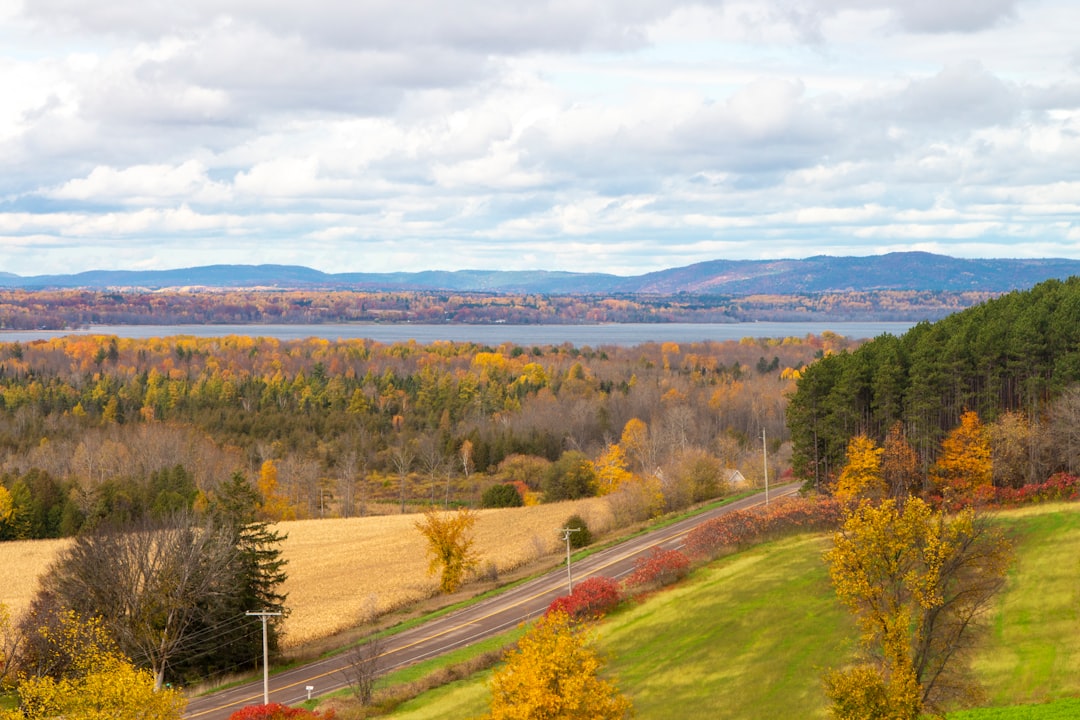
Haldimand County includes urban communities, rural areas and agricultural lands, so zoning, servicing, drainage and property-specific approvals can vary significantly. Buyers and homeowners should confirm municipal requirements before relying on renovation, development or additional-unit potential.
2026 Property Taxes in Haldimand County
Haldimand County publishes a 2026 combined residential/farm tax rate of 1.403297%, made up of the County and education portions. The actual bill depends on the property’s assessment and classification. The County’s 2026 final-bill instalments are due August 31 and October 30, 2026.
Use the Ontario Home Intel Property Tax Calculator for planning, then verify the actual account and assessment with Haldimand County and MPAC.
Zoning and Property-Specific Rules
Haldimand County’s Comprehensive Zoning By-law regulates permitted uses, lot dimensions, setbacks, building types, height, lot coverage, parking and other development standards. The County also provides an interactive zoning map for address-specific research.
Rural and agricultural properties may involve additional considerations such as private servicing, municipal drains, agricultural setbacks and conservation or environmental approvals. See our Ontario Zoning & Permits resources for broader guidance.
Building Permits and Renovations
Haldimand County requires building permits for many common projects, including new dwellings, additions, structural alterations, certain decks and accessory structures, plumbing work and the creation of an additional dwelling. A permit is also required when creating an additional dwelling within the principal dwelling or as part of a detached accessory structure.
Before starting work, confirm the current permit and applicable-law requirements with the County. Our Ontario Renovation Guides explain common permit issues.
Additional Dwelling Units in Haldimand County
Haldimand’s current zoning framework permits a maximum of two additional dwelling units on a qualifying lot associated with a legally permitted detached, semi-detached or townhouse dwelling. Where two additional units are provided, at least one must be located within the principal dwelling.
Unit size, parking, setbacks, servicing and other requirements depend on the property and zone. The County’s current zoning provisions also impose different size limits depending on whether a unit is internal or located in an accessory structure and whether the property is urban, hamlet or agricultural.
See our Additional Rental Units in Ontario guide for provincial context.
Haldimand County Property Due-Diligence Checklist
- Confirm the property’s current zoning and permitted uses.
- Review permit history for additions, basements and accessory buildings.
- Verify approvals for any existing secondary or additional dwelling unit.
- Check septic, well and servicing records where privately serviced.
- Determine whether municipal-drain, conservation or agricultural restrictions apply.
- Verify the current property-tax account and MPAC assessment.
Official Haldimand County Resources
Haldimand County Property FAQ
What is Haldimand County’s 2026 residential property-tax rate?
The County publishes a combined residential/farm rate of 1.403297% for 2026. Actual taxes depend on assessed value and tax classification.
Can a property have two additional dwelling units?
Potentially. Haldimand’s current zoning framework allows up to two additional dwelling units on qualifying properties, subject to zoning, servicing, parking, building-code and other requirements.
Do rural properties require additional due diligence?
Often, yes. Private wells and septic systems, agricultural uses, municipal drains, conservation regulation and access issues can materially affect property use and development.
Ontario Home Intel is an independent educational resource and is not a real estate agency or brokerage. Information is general only and is not legal, planning, tax, engineering or other professional advice. Verify current property-specific requirements with Haldimand County and other applicable authorities.