
Guelph Property Guide · Updated for 2026
Important 2026 Downtown Planning Update
As of August 2026, Guelph’s Downtown Community Planning Permit By-law is in effect within its designated area, but its affordable-housing provisions in section 1.14.6 remain under appeal at the Ontario Land Tribunal. Certain floodplain study lands have been removed from the by-law boundary. Do not assume that the same zoning or permit framework applies to every Guelph address. Check the City of Guelph’s official Community Planning Permit System information and map before relying on permitted uses, height allowances or development approvals.
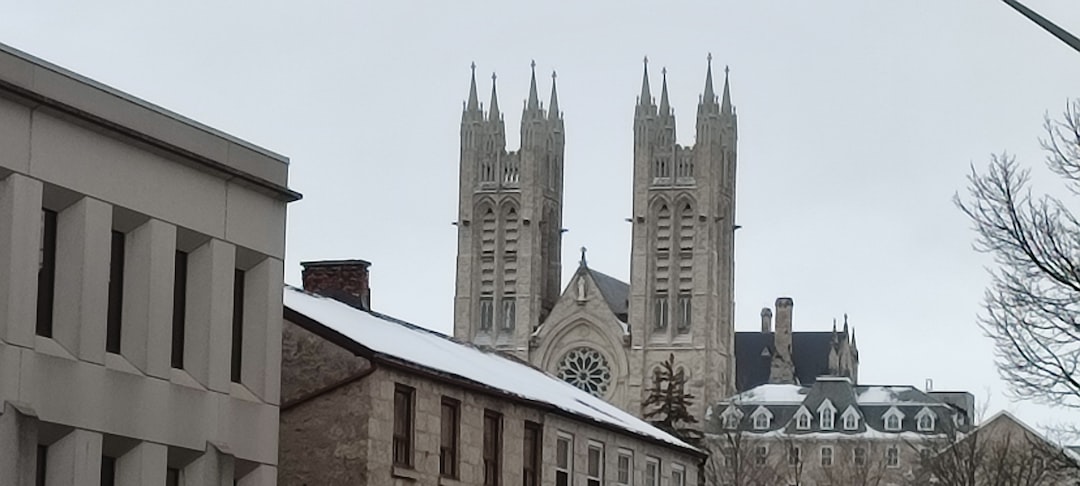
Guelph combines established neighbourhoods, newer subdivisions, student-oriented housing and intensifying residential areas. Buyers and owners should verify zoning, permit history and any additional-dwelling-unit approvals before relying on a property’s current or future use.
2026 Property Taxes in Guelph
For 2026, the City publishes a total residential tax rate of 1.494407% for fully taxable residential properties. Actual taxes depend on MPAC assessment and classification. Use the Ontario Home Intel Property Tax Calculator for planning and confirm the actual account with the City.
Zoning and Property Use
Guelph’s zoning by-law controls permitted uses, setbacks, lot coverage, parking, accessory structures and residential density. If a purchase depends on adding units, changing use or building an addition, confirm the property’s current zone and any site-specific provisions.
Building Permits and Renovations
The City states that permits are generally required for most renovation and construction projects, including structural work, basement finishing, plumbing changes, additions and creating an additional dwelling unit. Even work that does not require a permit must still comply with zoning.
Additional Dwelling Units in Guelph
Guelph currently allows up to three ADUs in a single-detached home, and up to two ADUs in a semi-detached home, duplex or on-street townhouse in qualifying zones. Detached ADUs are also possible subject to zoning, servicing, setbacks and Building Code requirements.
Guelph Property Due-Diligence Checklist
- Confirm current zoning and any site-specific exceptions.
- Review permit history for basements, additions and converted units.
- Verify legal status of existing rental or additional dwelling units.
- Check parking, servicing and access requirements.
- Review property taxes and MPAC assessment.
- Investigate heritage, tree, grading or conservation constraints where relevant.
Official Guelph Resources
- 2026 Property Tax Rates
- Planning and Development
- Residential Building Permits
- Additional Dwelling Units
Guelph Property FAQ
How many ADUs can a Guelph house have?
A qualifying single-detached home can have up to three additional dwelling units under current City rules, subject to zoning and building requirements.
Do basement renovations need permits?
Many do, especially where walls, plumbing, structural elements, bedrooms or dwelling units are being created. Confirm the scope with the City’s building department.
For regional context, see the Wellington County Property Guide and the full Ontario Municipal Property Guides directory.
General information only. Verify current property-specific requirements with the City of Guelph and appropriate professionals.