
ONTARIO HOME INTEL · MUNICIPAL PROPERTY GUIDE · UPDATED SEPTEMBER 2026
Essex Ontario Property Guide
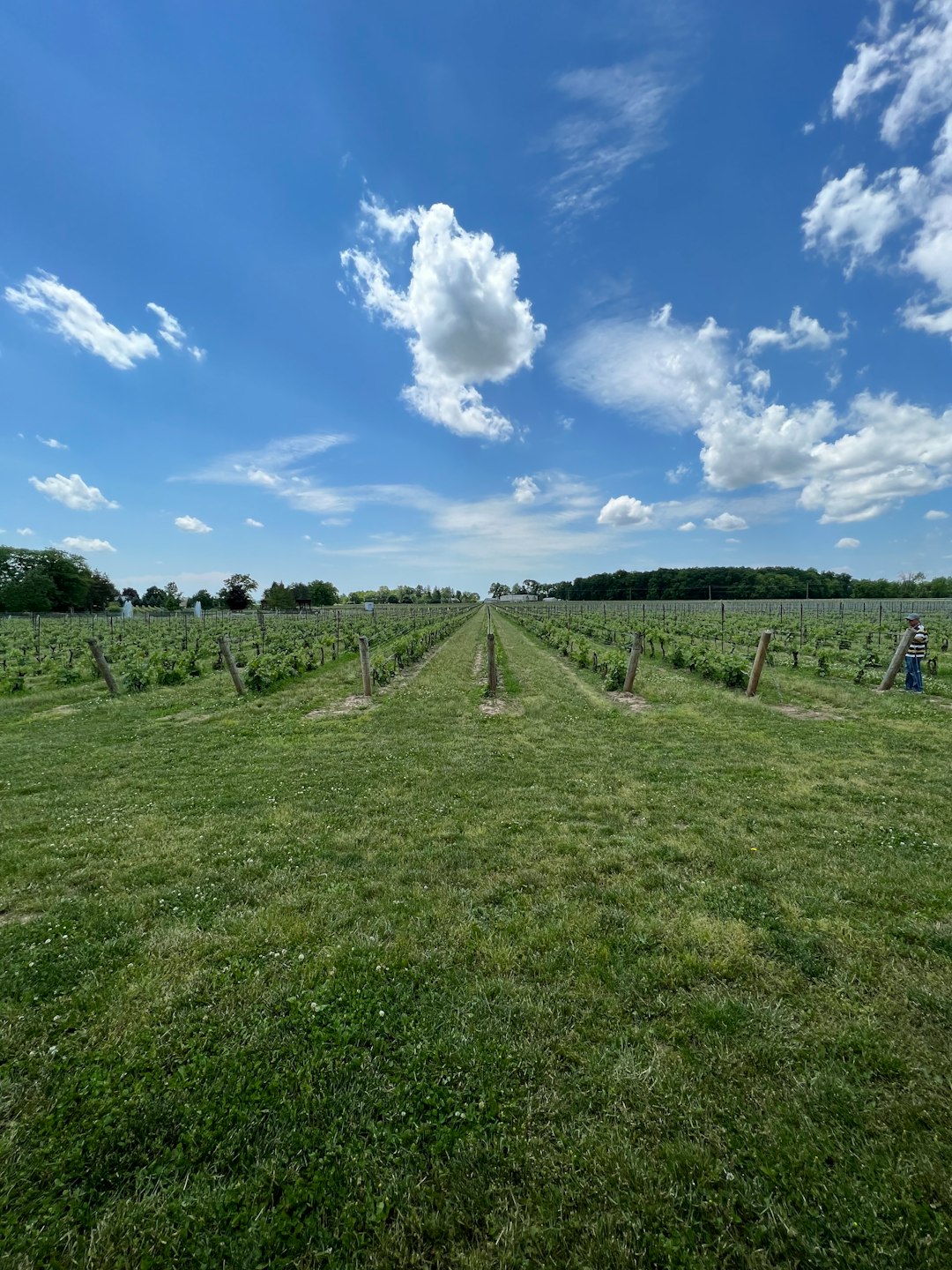
The Town of Essex includes urban communities, agricultural lands, rural residential properties and Lake Erie-area properties. That makes zoning, servicing, conservation-authority review and permitted-use verification particularly important.
2026 Property Taxes
Essex’s 2026 budget materials distinguish urban and rural area levies in addition to County and education components. Because the final bill can vary by ward, property class and applicable area levies, confirm the current Town tax schedule for the specific roll rather than applying one generic percentage to every property.
Zoning & Building Permits
Use the Town’s mapping and planning resources to identify the property’s zoning before assuming a residential, agricultural, home-business or development use is permitted. Building permits are required for many renovations, additions, accessory structures and any creation or conversion of an Additional Dwelling Unit.
Additional Dwelling Units in Essex
The Town’s current ADU framework generally permits three dwelling units total—a primary dwelling plus two ADUs—on qualifying serviced residential lots in settlement areas. Two ADUs can be within the main dwelling, or one can be within the main dwelling and one in a detached structure. In an Agricultural Area, the Town states that one additional dwelling unit is permitted, subject to the applicable requirements.
ADUs cannot be severed to create a separate lot, one additional on-site parking space is required per ADU, separate service connections are not permitted, and ADUs cannot be used as short-term rentals. The Town also provides an ADU suitability mapping layer that can flag zoning, floodplain and site constraints.
Property certificates and septic-history checks
Municipal certificates: Essex’s 2026 fee schedule provides separate Building/Zoning, Public Works and Part 8 (septic) certificates. These give buyers and their professionals a direct route to investigate municipal information when zoning, building status, servicing or a private sewage system materially affects the transaction.
Septic permit history: The Town Building Department has issued sewage-system permits since January 1999. For systems approved before January 1, 1999, the Town directs inquiries to the Windsor-Essex County Health Unit. This date split is important for older rural properties where septic approval history may otherwise be difficult to trace.
Renovation check: The Town specifically identifies finished basements, basement entrances, additions, structural alterations and plumbing changes among work that can require permits. Existing improvements should therefore be checked rather than assumed to be approved.
Essex Property Due-Diligence Checklist
- Confirm zoning and whether the parcel is inside a settlement area.
- Determine municipal water/sewer availability and private-servicing conditions.
- Check ADU suitability mapping before budgeting for a second or third unit.
- Review ERCA or other conservation-authority constraints, especially near watercourses and Lake Erie.
- For agricultural properties, verify agricultural-zone uses, setbacks and dwelling permissions.
- Review permit history for existing additions, finished spaces and accessory buildings.
- Confirm applicable urban/rural and garbage levies on the tax bill.
Official Essex Resources
Building permits and septic records · Zoning and zoning maps · 2026 municipal certificate and permit fees
Essex Property FAQ
How many dwelling units can a qualifying serviced residential lot have?
The Town states that up to three total dwelling units are generally permitted on qualifying residential lots in settlement areas where servicing is available.
Can an ADU be used as an Airbnb?
The Town’s current ADU guidance says an ADU cannot be used in whole or in part as a short-term rental.
Does an ADU require a building permit?
Yes. The Town states that a building permit is required before constructing or converting space to an ADU.
General information only: Confirm current zoning, servicing, conservation-authority and permit requirements directly with the Town before relying on a proposed use.
Browse the Ontario Municipal Property Guides.