
Erin Property Guide · Updated for 2026
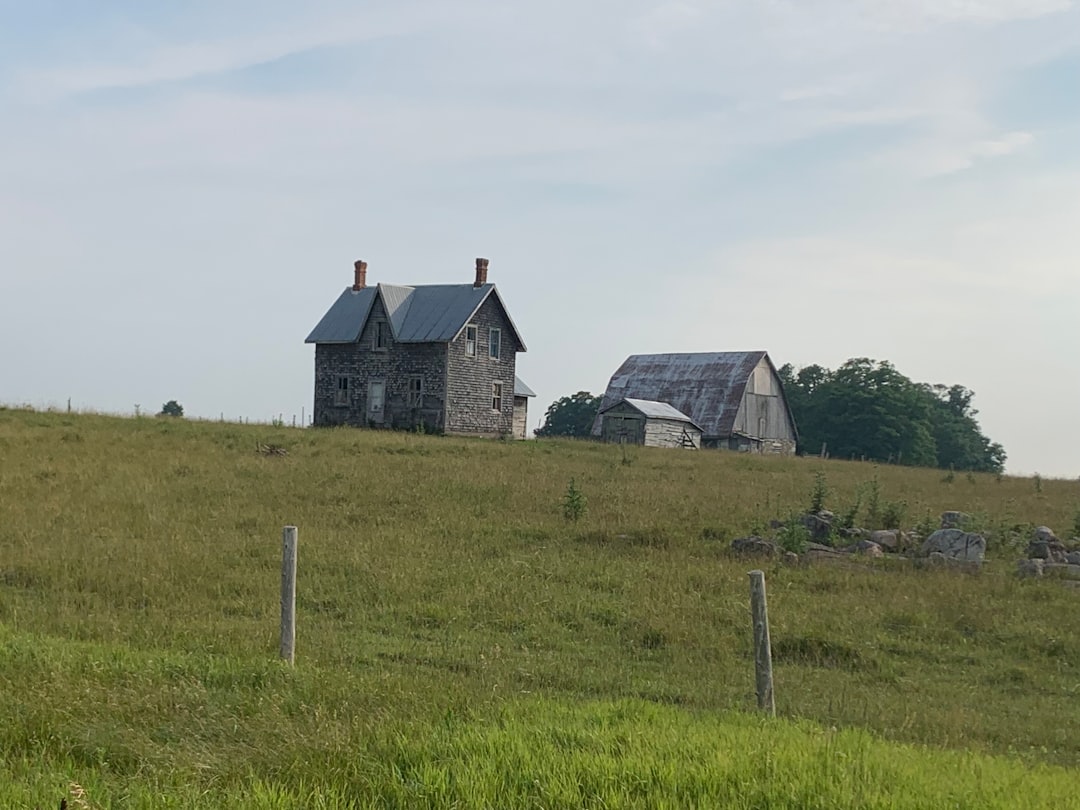
Erin includes the urban areas of Erin and Hillsburgh as well as rural and agricultural properties. Buyers should investigate zoning, servicing, conservation and Greenbelt constraints before relying on future development or additional-unit potential.
2026 Property Taxes in Erin
Erin publishes a 2026 total residential rate of 1.234566%, combining Town, County and education components. Actual taxes depend on MPAC assessment and classification.
Zoning, Greenbelt and Conservation
The Town’s zoning by-law regulates permitted uses and development standards. The Town also directs owners to verify Greenbelt, source-water and conservation-authority constraints, including GRCA and Credit Valley Conservation regulated areas.
Building Permits
Building permits are required for many construction and renovation projects. Rural applications may also need well, septic, grading or conservation information.
Additional Residential Units
Erin permits up to two ARUs per property where adequate water and sewage services are available and all applicable law is satisfied. A building permit is required, and rural/agricultural properties may also require Minimum Distance Separation review.
Erin Due-Diligence Checklist
- Confirm current zoning and permitted uses.
- Review permit history and legal status of existing units.
- Check well and septic capacity where privately serviced.
- Review Greenbelt, source-water and conservation restrictions.
- Confirm road access and rural-property constraints.
- Verify property taxes and MPAC assessment.
Official Erin Resources
Erin Property FAQ
Can Erin properties have two ARUs?
Potentially, subject to servicing, zoning, Building Code and other applicable-law requirements.
Do rural Erin properties need extra due diligence?
Yes. Wells, septic systems, agricultural setbacks, Greenbelt and conservation regulation can materially affect use.
General information only. Verify current requirements with the Town of Erin and applicable authorities.