
Brantford Property Guide · Updated for 2026
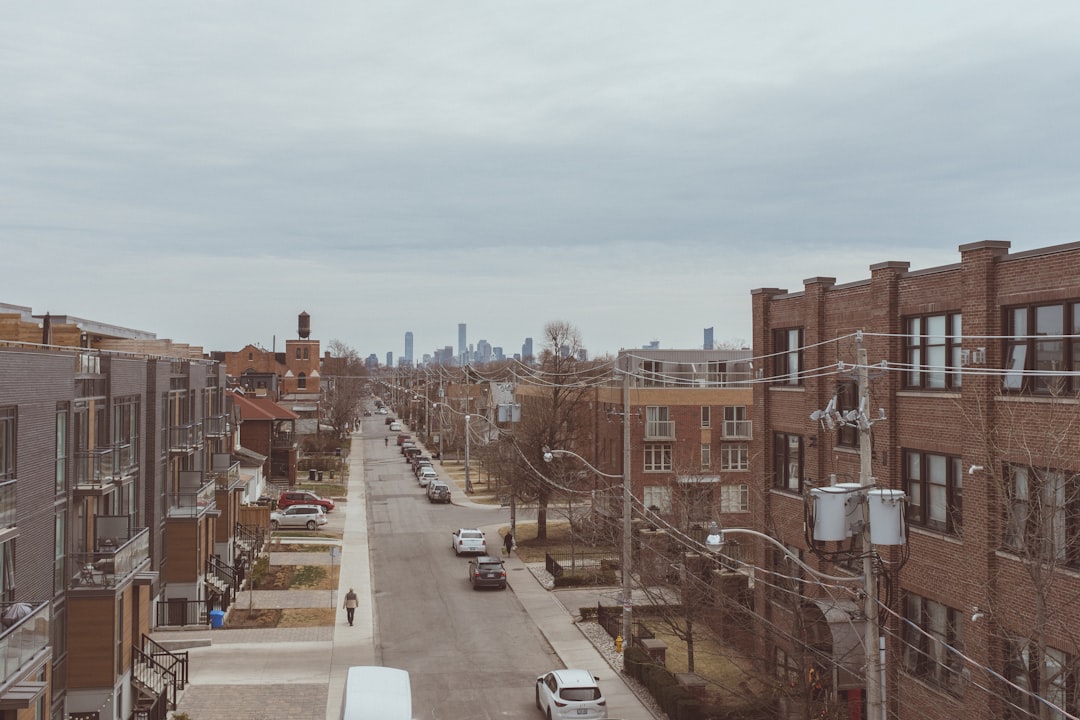
Brantford combines established neighbourhoods, newer growth areas, condominium development and properties near the Grand River. Property taxes, zoning, permits, drainage and redevelopment potential should be checked against current City records before a buyer or owner relies on a proposed use.
2026 Property Taxes in Brantford
For 2026, the City of Brantford publishes a total residential tax rate of 1.59510794%, consisting of a City rate of 1.44210794% and an education rate of 0.153%. Actual taxes depend on the property’s assessed value and classification.
Use the Ontario Home Intel Property Tax Calculator for planning, then verify the actual account and assessment with the City and MPAC.
Zoning and Property-Specific Rules
Brantford’s zoning framework regulates permitted uses, building forms, setbacks, parking and other development standards. The City is also working through planning and zoning updates, so address-specific verification is important before relying on renovation, intensification or redevelopment potential.
See our Ontario Zoning & Permits resources for broader guidance.
Building Permits and Renovations
The City requires building-permit applications for construction and demolition work that falls within the Ontario Building Code and applicable municipal rules. Brantford’s Building Department reviews applications and conducts inspections, and the City provides online building and planning services through Build Brantford.
Buyers concerned about prior work can also request a City building-permit search. Our Ontario Renovation Guides explain common permit issues and why permit history matters.
Additional Residential Units in Brantford
Brantford’s Official Plan supports additional residential units in qualifying low-rise housing forms and associated ancillary structures, subject to applicable zoning, adequate parking, the Ontario Building Code and Fire Code. Property-specific rules still need to be confirmed before assuming a basement suite, garden suite or other additional unit is permitted.
See our Additional Rental Units in Ontario guide for provincial context.
Drainage, Site Alteration and Property Changes
Grading and drainage can matter when changing a property. Brantford regulates certain site alterations, particularly where work could affect drainage or neighbouring properties. Major additions, fill, redevelopment and changes near regulated natural features may require additional review beyond a standard building permit.
Brantford Property Due-Diligence Checklist
- Confirm current zoning and permitted uses for the exact address.
- Review permit history for additions, finished basements and structural work.
- Verify approvals for any existing additional residential unit.
- Check parking, access and servicing requirements before planning intensification.
- Investigate drainage, grading and site-alteration issues where relevant.
- Verify the current property-tax account and MPAC assessment.
Official Brantford Resources
Brantford Property FAQ
What is Brantford’s 2026 residential property-tax rate?
The City publishes a total residential rate of 1.59510794% for 2026. The actual bill depends on assessed value and classification.
Can I add an additional residential unit in Brantford?
Potentially. Brantford planning policy permits additional residential units in qualifying housing forms, but zoning, parking, building-code, fire-code and property-specific requirements still apply.
Can I check whether renovations had permits?
Yes. The City offers a building-permit search that can provide available information about permits issued for a property.
Ontario Home Intel is an independent educational resource and is not a real estate agency or brokerage. Information is general only and is not legal, planning, tax, engineering or other professional advice. Verify current property-specific requirements with the City of Brantford and other applicable authorities.