
Norfolk County Property Guide · Updated for 2026
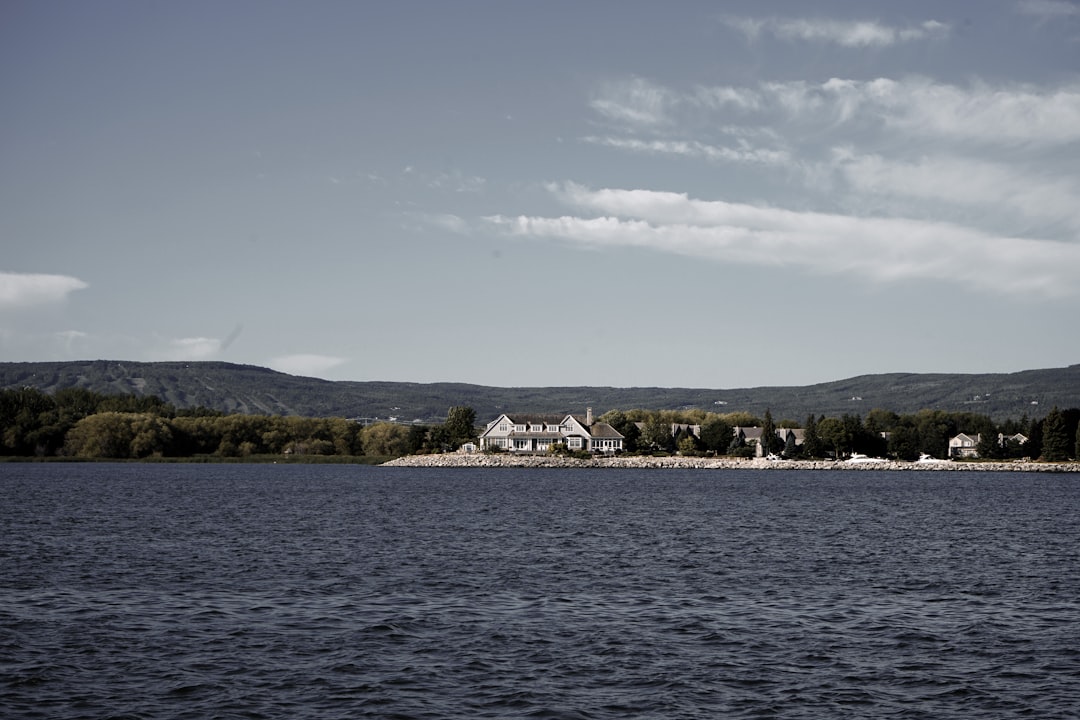
Norfolk County includes urban communities, hamlets, agricultural lands and lakeside areas, so property-specific zoning, servicing and environmental constraints can vary considerably. Buyers and homeowners should verify local requirements before relying on renovation or additional-unit potential.
2026 Property Taxes in Norfolk County
Norfolk County publishes a 2026 combined residential property-tax rate of 1.658404%, made up of the County and education portions. The amount payable depends on the property’s assessed value and tax classification.
Use the Ontario Home Intel Property Tax Calculator for planning, then verify the actual account and assessment with Norfolk County and MPAC.
Zoning and Property-Specific Rules
Norfolk’s zoning framework controls permitted uses, setbacks, lot coverage, parking, accessory buildings and development standards. Agricultural, hamlet and lakeside properties can also involve private servicing, conservation regulation, floodplain or environmental constraints and other applicable-law approvals.
Before purchasing for a specific use or planning construction, confirm the current zoning and any site-specific provisions. See our Ontario Zoning & Permits resources for broader context.
Building Permits and Renovations
Norfolk County provides project-specific permit guides for additions and renovations, accessory buildings, agricultural buildings and additional residential dwelling units. Permit applications can require zoning review, drawings, site plans and approvals from other agencies before the permit is issued.
Our Ontario Renovation Guides explain common permit issues and due-diligence questions.
Additional Residential Dwelling Units in Norfolk County
Norfolk County permits additional residential dwelling units in qualifying urban residential, residential hamlet and agricultural zones. The current Official Plan framework allows a maximum of two additional units per lot: generally one interior unit and one detached unit, subject to zoning and other requirements.
Norfolk’s current ARDU guidance identifies basement, interior and detached configurations. Detached and above-grade attached units are generally limited to 75 m² of usable floor area, while a basement ARDU may occupy the entire basement. Parking, servicing, setbacks and zoning restrictions also apply.
Private well and septic capacity can be particularly important on rural properties. See our Additional Rental Units in Ontario guide for provincial context.
Norfolk County Property Due-Diligence Checklist
- Confirm current zoning and permitted uses.
- Review building-permit history for additions, finished basements and accessory structures.
- Verify approvals for any existing ARDU or additional dwelling.
- Check septic and well records where privately serviced.
- Determine whether conservation, floodplain or environmental restrictions apply.
- Verify the current property-tax account and MPAC assessment.
Official Norfolk County Resources
Norfolk County Property FAQ
What is Norfolk County’s 2026 residential property-tax rate?
Norfolk County publishes a combined residential rate of 1.658404% for 2026. Actual taxes depend on assessed value and classification.
Can a Norfolk County property have two additional residential units?
Potentially. Norfolk’s current framework allows up to two additional units on qualifying properties, generally one interior and one detached, subject to zoning, servicing, building-code and other requirements.
Can an ARDU be built on a rural property?
Potentially. Agricultural-zone properties can qualify, but private servicing, setbacks, zoning and applicable-law approvals must be confirmed for the specific lot.
Ontario Home Intel is an independent educational resource and is not a real estate agency or brokerage. Information is general only and is not legal, planning, tax, engineering or other professional advice. Verify current property-specific requirements with Norfolk County and other applicable authorities.